Home / Commercial / Commercial kitchen equipment repair
Commercial kitchen
equipment repair
in the Bay Area
Cooking equipment fails differently from refrigeration: it fails in the middle of service, and it takes a station down with it. Commercial ovens, ranges, fryers and dishwashers run at temperatures and duty cycles that residential equipment never approaches, and nearly all of it is gas. That means the technician has to be comfortable with gas trains, pressure regulators and safety circuits as well as controls, and it means every visit ends with a leak test.
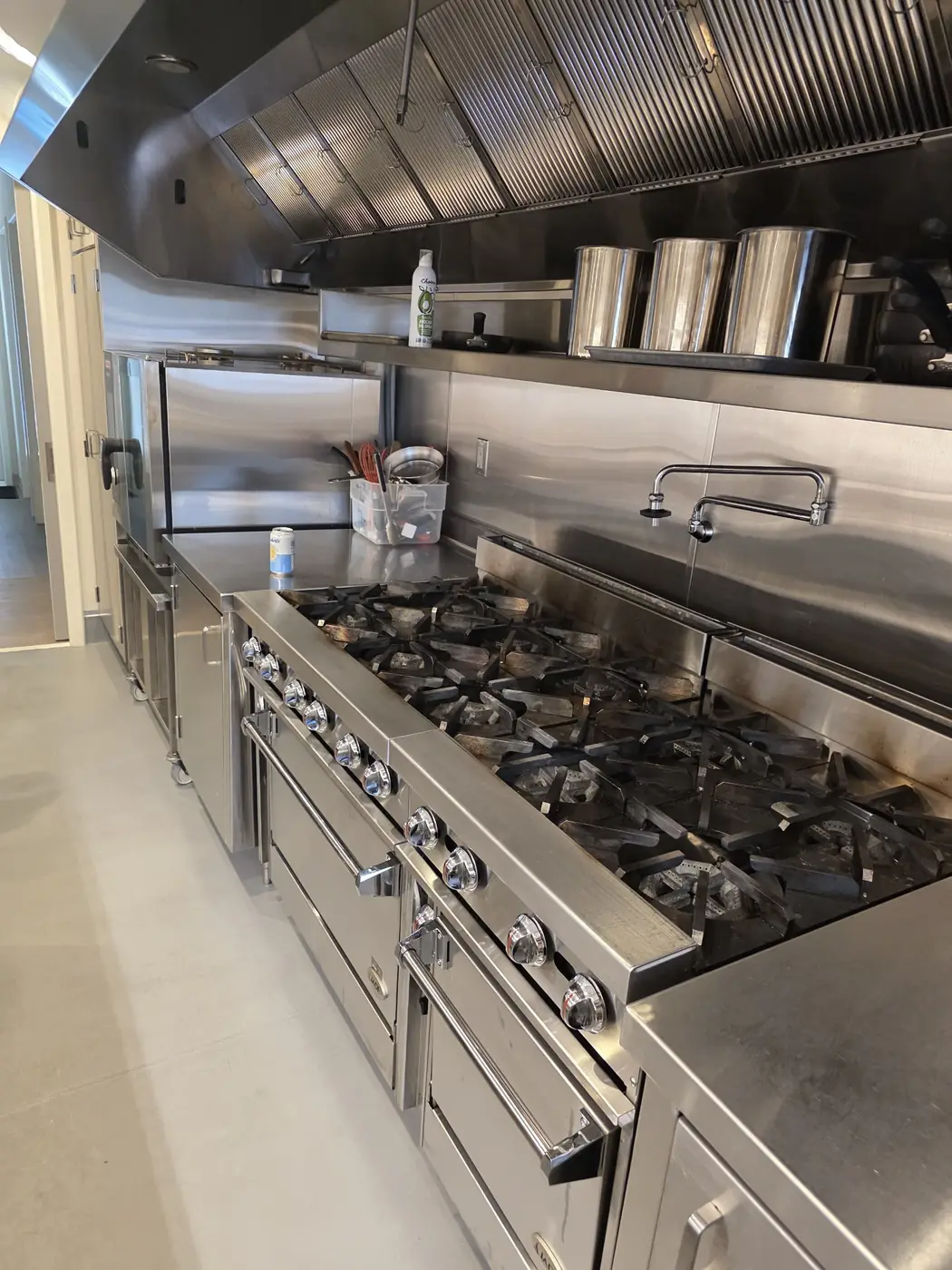
What we service
Commercial kitchen equipment equipment we work on.
Commercial ovens & ranges
Convection, combi, deck, conveyor and pizza ovens plus heavy-duty gas ranges and salamanders — the equipment a menu is built around.
- Igniter, pilot and flame sensor repair
- Gas valve, regulator and pressure setting
- Thermostat and probe recalibration
- Convection motor and door seal service
Fryers, griddles & broilers
High-heat equipment where the thermostat and the safety circuit matter as much as the burner.
- Thermostat and high-limit replacement
- Burner and pilot assembly service
- Temperature calibration and verification
- Gas train inspection and leak testing
Commercial dishwashers & warewashing
Under-counter, door-type and conveyor machines, where wash and rinse temperature is a health code matter, not a preference.
- Booster heater and rinse temperature faults
- Wash and drain pump repair
- Chemical dosing and dispenser diagnosis
- Door seal, curtain and rack service
Hoods, ventilation & holding equipment
Exhaust hoods, make-up air and the holding and warming equipment that keeps a pass working.
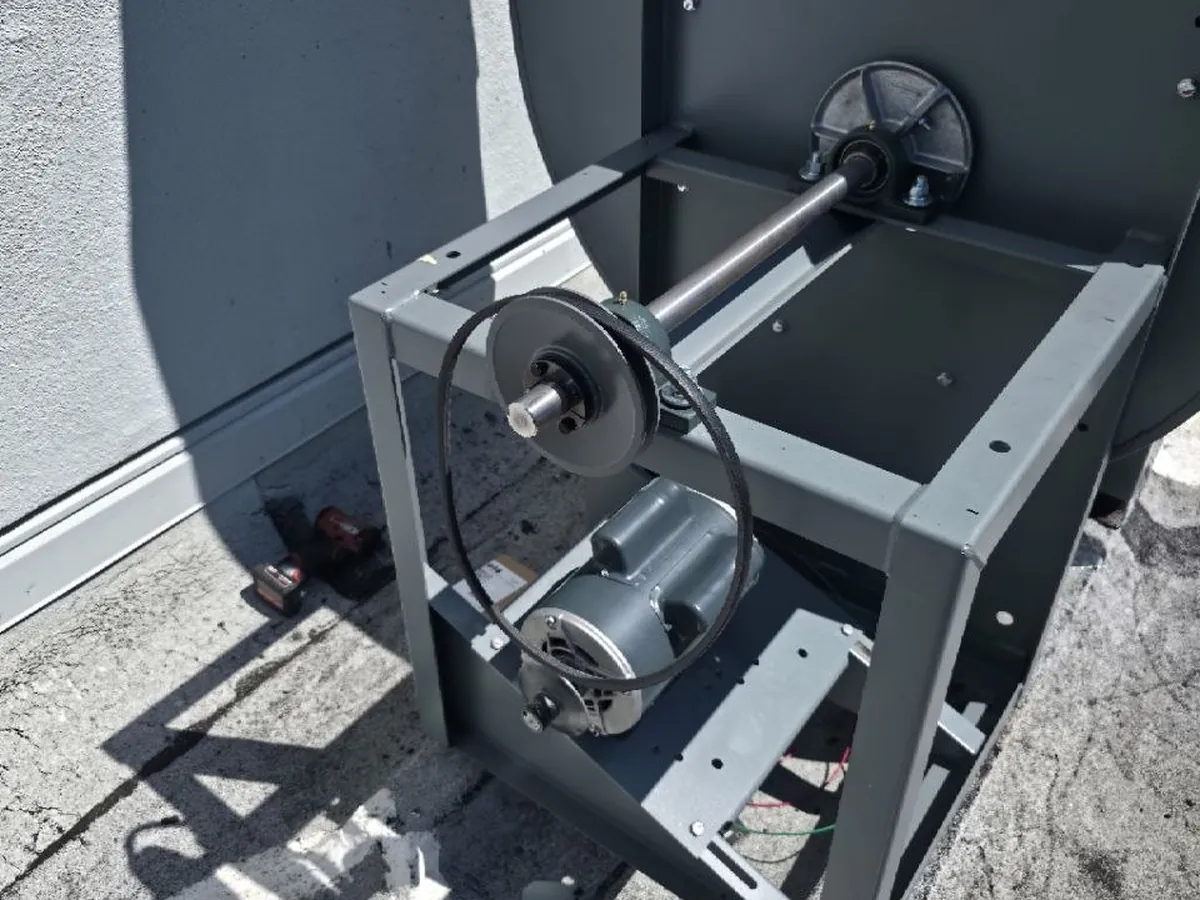
- Hood fan, motor and belt service
- Make-up air and balance checks
- Holding cabinet and warmer repair
- Damper, filter and control faults
Common failures
What actually goes wrong.
Igniter, pilot or flame sensor stops holding
The most common gas cooking failure by a distance. The unit clicks or lights and drops out, and the cause is usually a fouled sensor or a weak igniter rather than the gas valve everyone fears.
Oven drifting badly off its set temperature
A shifted probe, a drifted thermostat or a door that's stopped sealing. In a kitchen this shows up as inconsistent product before anybody thinks to check the equipment, and it's usually correctable without major parts.
Dishwasher not reaching rinse temperature
A failing booster heater or thermostat, and it's a health code problem the moment it happens. Sanitising rinse temperature is verifiable and inspectors verify it.
Door seals, hinges and gaskets worn out
Heavy commercial doors slam thousands of times. Once the seal goes, the cavity can't hold temperature, energy goes out the gap and cook times stop being predictable.
Grease migrating into controls and fan housings
Kitchen grease gets everywhere, and eventually into the control housings, fan bearings and switch contacts. It's the reason commercial equipment needs cleaning as maintenance, not as housekeeping.
Gas pressure wrong at the appliance
Undersized lines, several appliances competing on one run, or a regulator out of adjustment. Everything burns poorly at once and each individual appliance looks faulty, which sends people chasing the wrong repair.
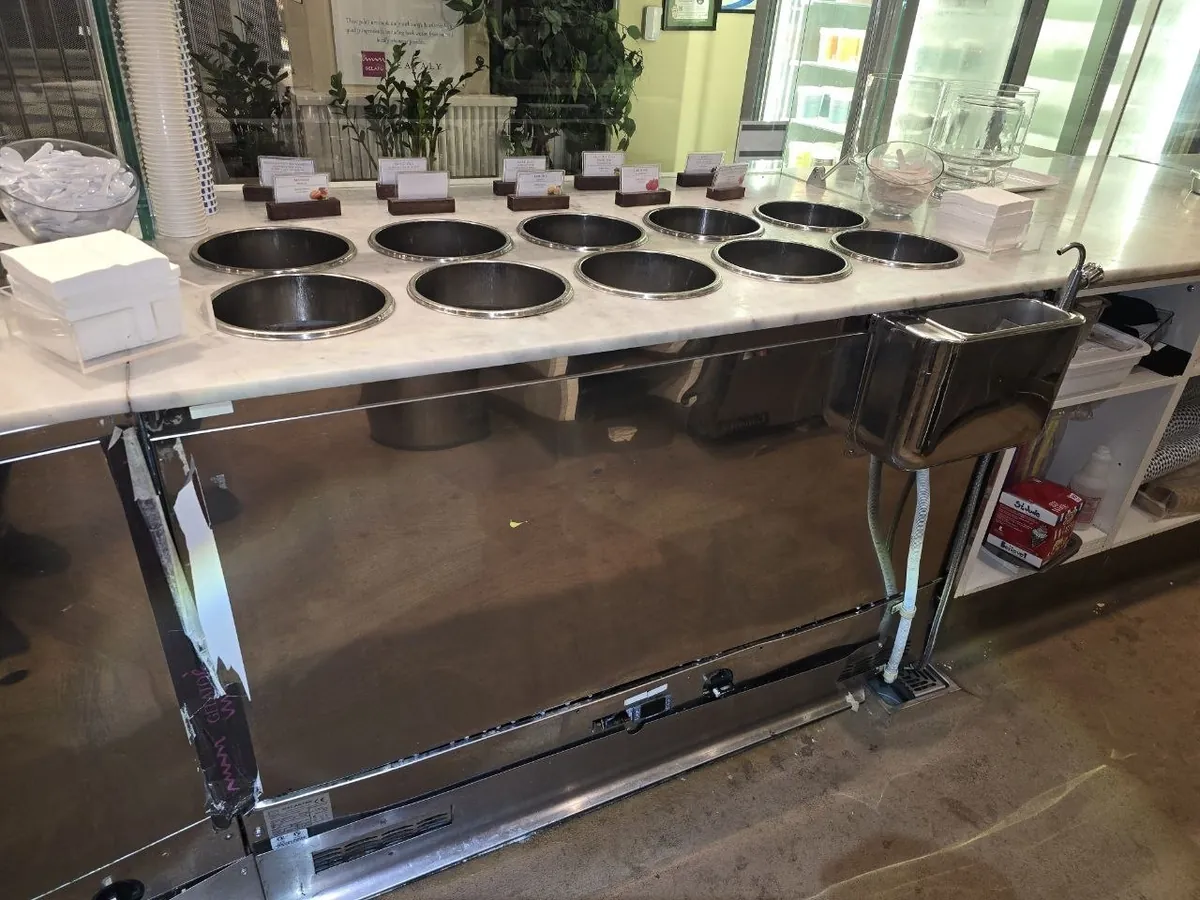
On the job
Cooking and ventilation, on site.
How we work
What working with us looks like.
Every gas job ends with a leak test
Commercial gas trains move real volume. Lines, fittings and regulators get pressure tested before we close anything up, on every visit, without exception.
We check supply before condemning appliances
When several pieces of equipment underperform at once, the problem is usually the gas supply rather than four coincidental failures. We test at the appliance before quoting parts.
Scheduled around service, including overnight
A range can't come out of the line at 7pm. Early mornings, after close and overnight are normal for us, and we'll tell you honestly how long a station will be down before we start.
Temperatures verified and documented
Oven calibration and dishwasher rinse temperatures are checked with calibrated instruments and written down. For warewashing in particular, that record is worth having when an inspector asks.
Equipment and businesses we cover
Convection, combi, deck, conveyor and pizza ovens, heavy-duty gas ranges, salamanders and broilers, fryers, griddles and flat tops, steamers and steam kettles, tilt skillets, under-counter, door-type and conveyor dishwashers, booster heaters, holding and proofing cabinets, food warmers, exhaust hoods and make-up air. Restaurants, bakeries, pizzerias, hotels, catering kitchens, commissaries, breweries, schools, senior living and corporate campus kitchens across the Bay Area.
Also commercial
The rest of the kitchen.
Condenser packed solid with flour, grease and dust · Door gaskets destroyed by daily use
See commercial refrigeration repair › Walk-in cooler & freezer repairIce building on the evaporator coil · Refrigerant leak dropping capacity gradually
See walk-in cooler & freezer repair › Commercial ice machine repairScale from hard water, ahead of everything else · Condenser blocked and the unit overheating
See commercial ice machine repair ›Service area
Commercial service across the Bay Area.
Same technicians, same warranty, same pricing rules, from San Francisco down to the South Bay and out to Marin.
Questions
Before you call.
My commercial oven lights then goes out. What's the cause?
Typically the flame sensor or the igniter rather than the gas valve. The safety circuit needs to confirm a flame is present within a few seconds, and a fouled or weakening sensor fails that check and shuts the gas off — which is the system working correctly, just on bad information.
Can you work outside our opening hours?
Yes, and for most cooking equipment that's how we prefer to do it. Early mornings, after close and overnight are normal scheduling for our commercial work, because a station out of service during dinner costs far more than the repair.
Our dishwasher isn't reaching sanitising rinse temperature.
That's usually the booster heater or its thermostat, and it needs handling promptly because it's a health code matter rather than a convenience one. We test the actual rinse temperature with calibrated instruments and document the result once it's corrected.
Several appliances are underperforming at once. Are they all failing?
Very unlikely. When multiple gas appliances go off at the same time the cause is nearly always the gas supply — an undersized line, too many appliances on one run, or a regulator out of adjustment. We test pressure at the appliance before anyone starts replacing parts.
Do you service exhaust hoods and make-up air?
Yes — hood fans, motors, belts, dampers and controls, plus make-up air balance. We don't do hood fire suppression certification, and we'll tell you when something falls to that trade instead.
Do you offer service contracts for restaurant equipment?
Yes. For a kitchen running a full line, scheduled maintenance on the gas trains, calibration and cleaning prevents most of what would otherwise become mid-service emergency calls, and it makes the cost predictable across the year.
Book a technician
Get a technician out.
- ☎(628) 285-0504Fastest way to reach a dispatcher
- ✉info@volteight.comEstimates, invoices, commercial contracts
- ⌚Mon–Fri 8am–10pm · Sat–Sun 8am–5pmEmergency calls answered after hours
- ⌖San Francisco Bay AreaMarin, San Francisco, East Bay, Peninsula, South Bay